Bisley International has been serving the global agriculture industry for more than 30 years, supplying both leading multinationals and a wide range of independent customers.
Our agricultural portfolio focuses on high-quality mineral and specialty chemicals used in crop nutrition, fertilizer production and feed applications. These include materials for nutritional supplements, fertilizers, biocides, fungicides, pesticides, solvents and growth regulators. For each application, Bisley can offer tailored specifications to meet your technical, regulatory and logistical requirements.
Over decades of activity in this sector, we have also developed strong expertise in repacking and storage, utilizing dust-free bulk handling systems and optimized warehouse solutions to ensure product integrity, safety and consistent performance throughout the supply chain.
Browse our complete range of agriculture chemicals
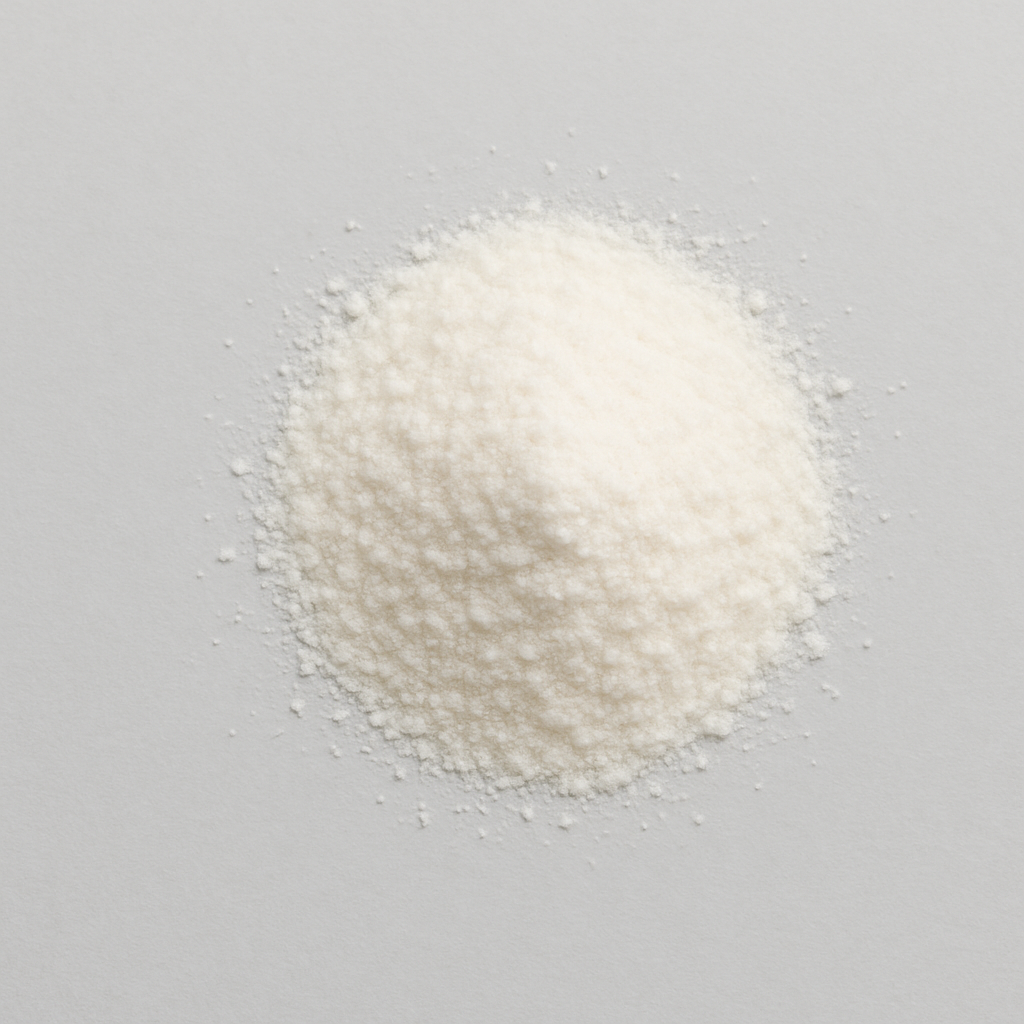
Calcium Formate is used as a rapidly available calcium source in foliar feeds, fertigation and specialty fertilizers. It supports root development, early growth and stress tolerance in high-value crops under intensive production systems.

Calcium Gluconate Monohydrate is a highly soluble organic calcium salt used in liquid fertilizers, foliar sprays and animal nutrition. It provides gentle, well-tolerated calcium that can be combined with other micronutrients in clear solution systems.

Copper Sulfate Pentahydrate is a key raw material for copper-containing fungicides, seed treatments and foliar micronutrient blends. It helps prevent and correct copper deficiencies, supporting photosynthesis, enzyme activity and overall plant vigor.

Ferric EDTA is a chelated iron source designed for use in fertigation, hydroponics and high-performance foliar fertilizers. It delivers iron in a plant-available form over a broad pH range, helping to prevent chlorosis and maintain healthy leaf color.

Magnesium Oxide provides a concentrated source of magnesium for granular and blended fertilizers, liming materials and feed premixes. It supports chlorophyll formation, photosynthesis and energy transfer in crops, as well as performance in animal nutrition.

Magnesium Sulfate supplies both magnesium and sulfur in a highly soluble form suitable for foliar application, fertigation and water-soluble fertilizers. It is widely used in horticulture, field crops and specialty segments where rapid nutrient uptake is required.

Monoammonium Phosphate (MAP) combines plant-available phosphorus and nitrogen in a free-flowing granule. It is a cornerstone raw material for NPK fertilizers and starter blends that support strong early root growth and uniform crop establishment.

Phosphogypsum is used in agriculture to supply calcium and sulfur while improving soil structure in certain cropping systems. In appropriate applications it can help reduce compaction, enhance water infiltration and support root development.
Ulexite is a natural source of boron and calcium used in bulk blend fertilizers and tailored micronutrient formulations. By providing boron in a controlled-release form, it supports flowering, pollination and fruit set in a wide range of crops.

Zinc Chloride is used in the manufacture of liquid zinc fertilizers and specialty micronutrient formulations. Its high solubility makes it suitable for clear solutions, allowing precise delivery of zinc in foliar and fertigation programs.

Zinc Sulfate is a widely used zinc source for granular fertilizers, water-soluble products and seed treatments. It helps correct zinc deficiencies that can limit growth, tillering and grain set in cereals, oilseeds and other field crops.
Try adjusting your search criteria
Our agricultural specialists are available to help you choose the right products and answer any technical questions you may have.
Our role goes beyond delivering mineral salts. We work alongside fertilizer manufacturers, blenders and formulators to understand their products, their processes and the markets they serve, and then align our sourcing and logistics to support those goals over the long term.
Each customer has a distinct product portfolio, whether it is focused on bulk granular NPK fertilizers, water-soluble nutrients for fertigation, specialty foliar products, micronutrient blends or seed-applied treatments. We start by understanding these product lines, the role that calcium, magnesium, phosphate, boron and zinc salts play in them, and the performance expectations in the field.
From there, we discuss grades, particle size requirements, solubility targets, impurity limits and regulatory considerations relevant to the markets in which our customers operate. This allows us to match the right raw materials and production partners to each customer’s needs and ensure that those choices remain robust as volumes grow and regulations evolve.
Throughout the relationship, we maintain regular communication on demand planning, shipping schedules and any changes in market conditions that could affect availability or pricing of key nutrients. The objective is to provide our customers with transparency and options so they can manage their own commitments to distributors, retailers and growers.
Our team is available to discuss both technical and commercial questions, from suitability of a specific grade for a new formulation to broader conversations about diversifying supply or introducing new nutrient concepts into a given market.
We review your fertilizer and crop nutrition portfolio, target crops, application methods and geographic markets to identify where mineral nutrients are most critical to performance.
Together we define specifications for calcium, magnesium, phosphate, boron and zinc salts that fit your formulations, processes, storage conditions and regulatory environment.
We develop sourcing and logistics plans that reflect your production cycles, seasonal peaks and inventory strategy, aiming to deliver consistent availability and predictable lead times.
As your portfolio, volumes or regulatory context change, we reassess options and adjust sourcing strategies so that your crop nutrition business can continue to grow on a stable foundation of raw material supply.
Whether you are developing a new fertilizer concept or scaling an established brand, Bisley aims to be a stable, knowledgeable and responsive partner in the background of your crop nutrition operations.
Agricultural inputs are increasingly regulated and scrutinized. Bisley International works with established producers and focuses on clear specifications, traceability and documentation so that our customers can meet their own quality, safety and regulatory obligations with confidence.
We collaborate with producers that operate formal quality systems and have the capability to meet agreed specifications batch after batch. For our agricultural chemicals and mineral nutrients, we pay close attention to nutrient content, impurity levels, particle size distribution, moisture and other properties that can affect performance in fertilizer and crop nutrition formulations.
Our internal procedures ensure that product information is captured, reviewed and made available to customers in a consistent way, supporting their own quality assurance frameworks and helping avoid surprises in production or in the field.
Fertilizer and crop nutrition products must increasingly comply with region-specific regulations and labelling requirements. We pay attention to regulatory frameworks in the markets where our customers operate, including limits on certain impurities, classification rules and documentation needs, and we take these factors into account when sourcing and recommending products.
While compliance responsibility ultimately sits with the finished product manufacturer, our goal is to provide transparent, reliable information about the agricultural raw materials we supply so that customers can complete their own evaluations more efficiently.
For the mineral nutrients and agricultural chemicals in our portfolio, we provide the technical documentation that fertilizer producers and crop nutrition formulators expect, including technical data sheets, safety data sheets and, where applicable, detailed product specifications and typical analysis information.
This documentation supports internal quality checks, formulation work, registration activities and conversations with distributors and growers. Our team can also help clarify how a given agricultural raw material is typically used in fertilizer or crop nutrition applications, providing context to the data on paper.
We pay attention to traceability from producer to customer, including batch identification and shipment details, so that our customers can integrate this information into their own quality and recall procedures. In agriculture, where multiple seasons and crops may depend on a single formulation, having access to this level of detail helps maintain confidence throughout the supply chain.
Over time, this focus on consistency and traceability helps reduce variability in finished products and supports more stable performance in the field.
Questions about a new market, a change in regulation or the suitability of a particular mineral nutrient grade are a normal part of growing an agricultural business. Our team is available to discuss such topics, share perspective from other markets where appropriate and help identify practical options for our customers.
The aim is not to replace customers’ own regulatory or technical teams, but to complement them with targeted information about the agricultural raw materials we supply.
Quality, compliance and documentation are not static requirements; they evolve with science, regulation and customer expectations. Bisley takes a long-term view of these topics, building relationships with producers that are prepared to adapt and investing time in understanding how our customers’ needs are changing.
This long-term perspective underpins our commitment to being a stable partner in the agricultural sector, supporting fertilizer and crop nutrition businesses as they navigate a changing landscape.
Answers to common questions about Bisley International as a supplier of agricultural chemicals and mineral nutrients.
Bisley International supplies agricultural chemicals and mineral nutrient raw materials that are used by fertilizer manufacturers, blenders, distributors and other professional buyers. Our products become components of finished fertilizers, foliar sprays, soil conditioners, seed treatments and other crop nutrition solutions. We focus on quality, consistency and documentation rather than operating as a retail outlet or advisory service to individual growers.
Our customers are primarily businesses involved in fertilizer and feed production, blending, distribution and formulation. This includes manufacturers of bulk and specialty fertilizers, micronutrient blends, foliar products, seed treatments and feed premixes, as well as traders and distributors who supply these materials to their own clients. We do not position ourselves as a direct input supplier to small-scale farmers or home gardeners.
Bisley focuses on agricultural markets in Australia, New Zealand, Asia, the Middle East and North America. Within these regions we supply to ports and logistics hubs that connect into local fertilizer, feed and distribution networks. Availability of specific products can vary by country due to regulations, product registrations and logistics considerations, so we review each enquiry individually.
No. Bisley supplies raw materials and intermediate products to professional customers such as fertilizer manufacturers, blenders and distributors. These businesses formulate and package finished fertilizers and crop nutrition solutions that are then sold to growers through their own channels. We do not operate as a retail store or online shop for finished fertilizers or farm inputs.
We can explain the typical uses and characteristics of our products, but we do not provide field-level agronomic advice, application rates or cropping recommendations. Those decisions must be made by qualified agronomists, advisors and end users who understand local soils, crops, regulations and product labels. Information on our site and in our literature is intended for general background only.
We work with established producers and manufacturing partners, and we operate within formal quality management frameworks such as ISO 9001:2015. Typical supply arrangements include agreed specifications, regular quality checks and traceable documentation. Certificates of analysis, technical data sheets and safety data sheets can be provided so that customers can perform their own assessments and quality controls.
For most products we can provide technical data sheets, typical specifications, safety data sheets and, where applicable, certificates of analysis relating to specific batches. Additional documentation may include origin statements or regulatory information, depending on the product and destination market. The exact package of documents is agreed as part of the commercial discussion for each supply arrangement.
In many cases we can support customers who are developing custom formulations by supplying specific combinations of raw materials or by coordinating with manufacturing partners. Whether a particular blend or formulation is feasible depends on product compatibility, regulatory conditions, minimum order quantities and technical constraints. These projects are always handled in close cooperation with the customer’s technical and commercial teams.
Packaging options vary by product and region, but can include bulk shipments, big bags, standard bags and selected liquid packaging options. The most suitable format depends on handling equipment, storage conditions and downstream use. We discuss packaging during the enquiry process to align with customer requirements and local logistics practicalities.
For some products it is possible to supply smaller quantities for laboratory work, product development or limited field trials. The feasibility of trial quantities depends on product type, manufacturing constraints and logistics. Customers who are interested in trials should share their requirements so that options can be assessed on a case-by-case basis.
Logistics and delivery are tailored to the product, quantity and destination. We usually work with established shipping lines, freight forwarders and local logistics partners to deliver to agreed ports or hubs. Incoterms, lead times and any special handling requirements are defined in the commercial agreement so that customers can plan inbound supply with confidence.
We can provide product-related information and documentation that may support our customers’ regulatory and compliance processes, for example technical data and safety data sheets. However, responsibility for obtaining registrations, approvals and ensuring compliance with local regulations always remains with the customer and the final product owner. We do not act as a regulatory authority or legal advisor.
Storage and handling requirements depend on the specific product. General principles include keeping materials dry, protected from contamination and within the temperature ranges stated on the product documentation. Safety data sheets and product labels should always be read and followed. Customers are responsible for implementing suitable storage, handling and safety procedures at their own facilities.
Professional buyers who would like to discuss agricultural products can contact Bisley using the details on this site or the contact form provided. Sharing information about your company, location, intended applications and approximate volumes helps us respond more effectively. Please do not include passwords, banking information or other sensitive credentials in any correspondence. Our team will follow up to explore whether there is a suitable fit.