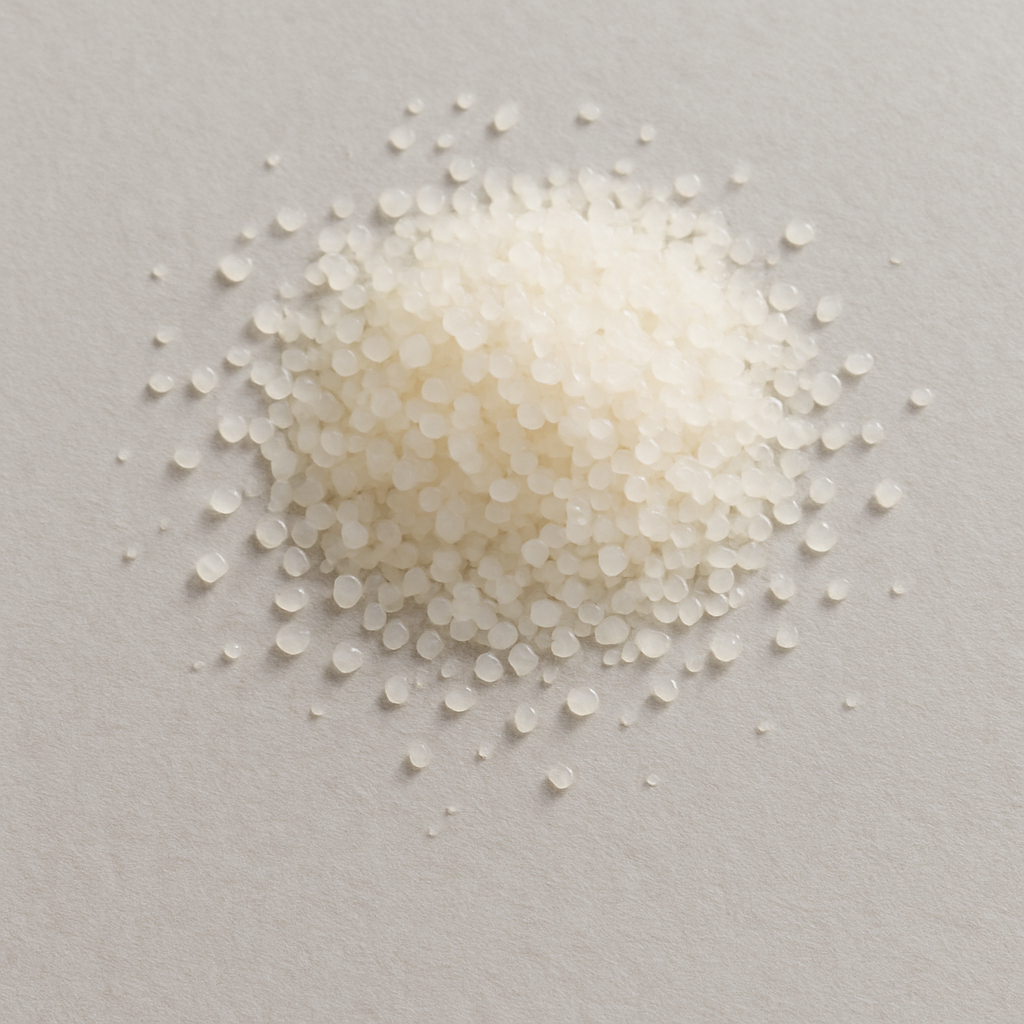
Overview
Monoammonium Phosphate (MAP, NH4H2PO4) is a concentrated, granular or crystalline fertilizer raw material providing both nitrogen and phosphorus in plant-available forms. It is widely used as a building block for NPK fertilizers and as a straight material in water-soluble and liquid fertilizers. MAP supplied by Bisley International is intended for industrial processing and use in agricultural formulations rather than direct handling by end users.
In crop nutrition programs, monoammonium phosphate is used in granular blends for base fertilization, in water-soluble formulations for fertigation and in foliar products designed for high-value crops. It contributes ammonium nitrogen and phosphate, but the actual rate, timing and method of application depend on soil analysis, crop requirements, climate and local agronomic practice. These aspects must be assessed by the customer’s own agronomic and technical teams in line with local regulations and best practice.
Bisley International focuses on supplying consistent technical-grade MAP with specified nutrient content, particle size distribution, solubility and impurity limits. Technical data sheets, safety data sheets and certificates of analysis are provided to support quality control and safe handling. Users should confirm compatibility with other fertilizer components and ensure that storage, handling and application follow applicable safety, environmental and regulatory requirements before use.
Applications, characteristics and considerations
Applications in fertilizers and crop nutrition programs
Monoammonium Phosphate (MAP) is used as a technical nitrogen and phosphorus source in a wide range of fertilizers, subject to local regulations and product registration requirements. Typical applications may include:
- Primary N and P component in granular NPK and NP fertilizers for broadacre and specialty crops.
- Ingredient in water-soluble fertilizers used for fertigation in fruit, vegetable and horticultural production systems.
- Component in foliar nutrient products where MAP-based formulations align with the overall crop nutrition strategy.
Key characteristics
Monoammonium Phosphate supplied through Bisley International is produced to a defined technical specification suitable for industrial fertilizer manufacture and formulation. Typical characteristics include:
- Concentrated nitrogen and phosphorus content, with nutrient values defined in the technical data sheet (e.g. N and P2O5 content).
- Good solubility in water, supporting water-soluble, fertigation and foliar fertilizer formulations when used correctly.
- Controlled particle size distribution for granular products to support uniform blending and spreading performance.
- Specified limits on moisture, insoluble matter and key impurities to support consistent fertilizer quality.
Handling, storage and selection considerations
Like other concentrated fertilizers, Monoammonium Phosphate requires appropriate handling, storage and blending practices to maintain product quality and safety. When selecting and using MAP, customers should consider:
- Compliance with the safety data sheet (SDS), including suitable personal protective equipment and dust control measures during handling and transfer.
- Storage in dry, covered conditions to minimise moisture uptake, caking and degradation of physical properties.
- Compatibility with other fertilizer components and additives, including urea, ammonium nitrate, potassium salts and micronutrients, to maintain stability and blend quality.
Technical Specifications
| Parameters (units) | Specifications |
|---|---|
| Appearance | White crystalline powder |
| Particle size, passed through 120 mesh (%) | ≥ 90 |
| Particle size, retained on 18 mesh (%) | ≤ 5 |
| Bulk density (g/mL) | 0.8 – 1.2 |
| Insoluble matter (%) | < 0.1 |
| Water content (H₂O%) | < 0.2 |
| pH (1% aqueous solution) | 4.2 – 4.7 |
| NPK | 12–61–0 |
| Total nitrogen (N%) | 11.5 – 13.0 |
| Ammoniacal nitrogen (NH₄%) | 11.5 – 13.0 |
| Phosphorous (P₂O₅%) | 60.5 – 62.0 |
| Phosphorous (P%) | 26.4 – 27.1 |
*% values represent wt/wt %, unless noted otherwise.