Bisley International - Agriculture Logo with a globe leaf and molecules for Bisley International agricultural raw materials BISLEY INTERNATIONAL · AGRICULTURE
Get Quote

Phosphogypsum

Agriculture field

Overview

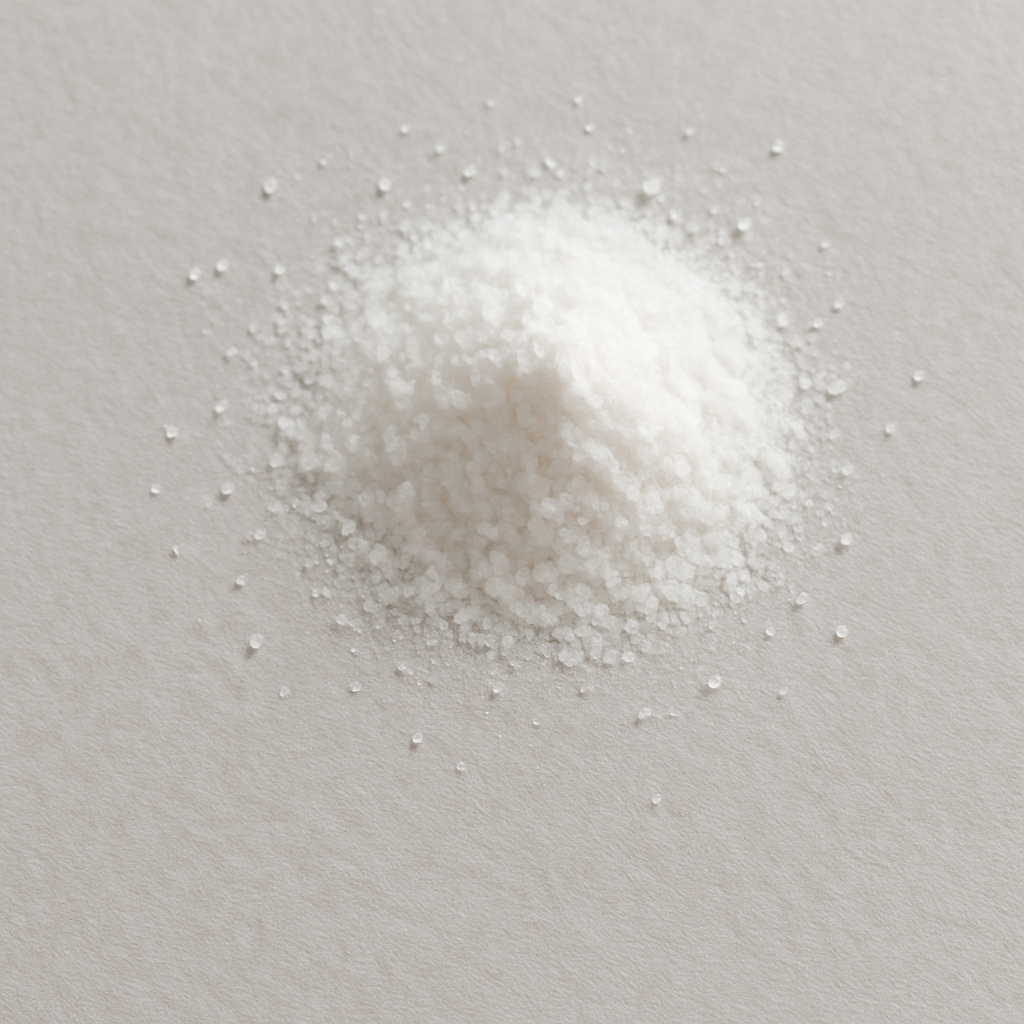
Phosphogypsum is a calcium sulfate by-product generated during the production of phosphoric acid from phosphate rock. Depending on its origin and treatment, it can contain calcium, sulfur and a range of minor constituents carried over from the phosphate ore and process conditions. Material supplied by Bisley International is offered as an industrial raw material that may be considered for agricultural use in regions where such use is permitted by local regulations.


In some agricultural systems, phosphogypsum is evaluated as a soil amendment and as a potential source of calcium and sulfur. It may be considered for use in programs aimed at improving soil physical conditions or supplying calcium and sulfur where agronomically justified. However, the composition of phosphogypsum, including trace elements and naturally occurring radionuclides, is highly dependent on the phosphate rock and process used. Regulatory frameworks and environmental guidelines in many jurisdictions strictly govern if and how phosphogypsum can be used on agricultural land.


For this reason, any decision to use phosphogypsum in agriculture must be based on a detailed assessment by the customer's own technical, environmental and regulatory teams. Bisley International provides product documentation such as technical data sheets and safety data sheets to support this assessment, but does not define agronomic recommendations or regulatory compliance. Customers remain responsible for ensuring that any use of phosphogypsum is safe, compliant and appropriate for the intended application and region.

Applications, characteristics and considerations

Potential applications in agricultural systems

Where permitted by local regulations and supported by technical evaluation, phosphogypsum may be considered in certain agricultural applications, for example:

  • Soil amendment in systems where calcium sulfate is used to improve soil structure or manage sodicity, subject to local guidelines and environmental assessments.
  • Potential calcium and sulfur source in nutrient management programs where phosphogypsum meets applicable quality and regulatory criteria.
  • Use in selected land reclamation or soil management projects, where specifically authorised and supported by environmental studies.

Key characteristics and composition

Phosphogypsum is distinct from natural gypsum because it is a process by-product and its characteristics depend strongly on the phosphate rock and process route. Typical aspects to consider include:

  • Calcium sulfate matrix providing calcium and sulfur, with composition expressed in the technical data sheet.
  • Presence of minor constituents originating from phosphate rock and process chemicals, such as trace elements and residual phosphates or fluorides.
  • Potential presence of naturally occurring radionuclides associated with certain phosphate ores, which may be subject to radiological regulation.
  • Physical form and moisture content, influencing handling, storage and application behaviour.

Regulatory, environmental and safety considerations

Because phosphogypsum is a by-product and can contain regulated substances, its use is often subject to specific regulatory and environmental controls. Customers should carefully consider:

  • National and regional rules governing the placement of phosphogypsum on land, including radiological and environmental criteria where applicable.
  • Requirements for environmental impact assessments, monitoring programs or permits before agricultural use can be authorised.
  • Occupational health and safety measures specified in the safety data sheet (SDS), including dust management, personal protective equipment and storage practices.

Ready to Work Together?

Let's discuss how Bisley's agricultural chemicals and mineral nutrient raw materials can support your fertilizer or crop nutrition business.

ADDITIONAL INFORMATION

Technical support, documentation & logistics

All agricultural raw materials supplied by Bisley International are backed by clear specifications, consistent quality and practical support from our commercial and technical teams. Use this section as a quick guide to how we work with buyers in crop nutrition, feed and related applications.

Technical data & documentation

For each agricultural chemical we can provide up-to-date technical documentation to support your evaluation and regulatory review.

  • Product specifications / typical analysis (TDS)
  • Safety data sheets (SDS) and handling guidance
  • Certificates of analysis (COA) available with each batch
  • Regulatory statements on request, where applicable

Packaging, shipment & delivery

We work with global producers and logistics partners to align product, packaging and delivery terms with your process and route-to-market.

  • Typical options include bags, big bags and other industrial formats
  • Support for containerized shipments and bulk programs
  • Flexible Incoterms and ports, discussed during quotation
  • Coordination with your forwarder, where required

Application-oriented support

Our role is to help connect you with suitable grades and producers for your application, whether you are formulating fertilizers, foliar sprays, feed premixes or other solutions.

  • Discussion of target nutrient content and impurity limits
  • Options across different origin, grade or physical form
  • Support during qualification, sampling and first deliveries
FAQ

Frequently asked questions

Below you will find answers to common questions about Bisley International's agricultural raw materials, documentation and supply approach. All items are collapsed by default, so you can quickly open the topics most relevant to your business.

Which agricultural markets does Bisley International serve?
Bisley International focuses on supplying raw materials for crop nutrition and related segments, including fertilizers, foliar products, fertigation, seed treatment and selected animal nutrition applications. We do not manufacture finished fertilizers or crop protection products; instead, we support producers and formulators with consistent, specification-driven raw materials.
How can I request TDS, SDS and COA for a product?
When you submit an enquiry via the contact form or through your usual Bisley representative, please specify which agricultural chemical you are interested in and the intended use. Our team will share the appropriate technical data sheet, safety data sheet and, where relevant, example certificates of analysis. COA are issued per batch with commercial deliveries.
What is the minimum order quantity (MOQ)?
Minimum order quantities depend on the specific product, origin, packaging and shipping route. Many materials are supplied by the full container load or truckload. Smaller lots may be possible in certain regions via local stock or consolidation. We will clarify practical MOQ and shipment sizes as part of the quotation process.
Which packaging formats are available?
Packaging options vary by product and producer. Typical formats for agricultural chemicals include 25 kg bags, big bags and other industrial containers designed for efficient handling and storage. Available formats and labelling options are discussed with you during enquiry and quotation.
Do you keep stock, or supply only on a made-to-order basis?
The supply model depends on the product and destination. Some materials are shipped directly from producers to customers on a contractual or spot basis, while others may be available from regional stock. During discussion we will outline realistic lead times and whether stock programs could be appropriate for your demand pattern.
Can Bisley International recommend grades for my formulation?
We can help you narrow down suitable raw materials and typical specification ranges based on your target nutrient content and application. However, we do not provide formulation, agronomy or regulatory advice. Final selection, testing and approval of any material must be carried out by your own technical team in line with local requirements.
To which regions can you supply agricultural raw materials?
Bisley International operates with a global outlook. For specific agricultural chemicals we can discuss supply into North America, Latin America, Europe, the Middle East, Africa and Asia-Pacific, subject to commercial, logistical and regulatory feasibility. Please describe your preferred destination when you contact us.
How do I obtain pricing and availability for a specific product?
Please use the enquiry form on this website or contact your usual Bisley representative. Sharing details such as target product, volume, destination and timing will help us to respond with a focused discussion on supply possibilities, lead times and indicative commercial terms.
Do you provide agronomic or advisory services to growers?
No. Bisley International supplies raw materials to companies active in crop nutrition and related value chains. We do not provide agronomic recommendations, application rates or advisory services to farmers or growers. Those decisions should be taken together with your own advisors and local experts.
Where can I learn more about your agricultural product range?
You can explore key agricultural chemicals and mineral nutrients on this website, including calcium, magnesium, phosphate, boron and zinc salts used in modern crop nutrition. If you do not see a particular material listed, please contact us directly: we may still be able to discuss potential sourcing options with you.